Choosing the Right Cat Compact Tractor for Your Farm
Thinking about investing in a compact tractor to enhance your farm's efficiency and sustainability? This guide will help you navigate the world of Cat compact tractors, particularly comparing Caterpillar and Bobcat brands, to find the perfect fit for your operation. Whether you're a seasoned farmer or new to sustainable agriculture, we'll provide actionable advice for selection, maintenance, and optimizing your tractor's environmental impact.
Don't just look at the horsepower; consider your farm's size, the tasks you need to perform (tilling, hauling, mowing, etc.), and, critically, your budget. A smaller, lower-horsepower model might perfectly suit a smaller farm, while a more powerful tractor is necessary for larger properties or heavy-duty work. This is akin to choosing the right tool for the job – you wouldn't use a hammer to drive a screw!
For snow removal, consider options like snowblower attachments.
What are the long-term implications? Will your needs change within the next few years? Investing in a more versatile model now might save you money in the long run, even if the initial investment is greater. This forward thinking will pay dividends in adaptability.
Exploring Cat Compact Tractor Models: A Detailed Comparison
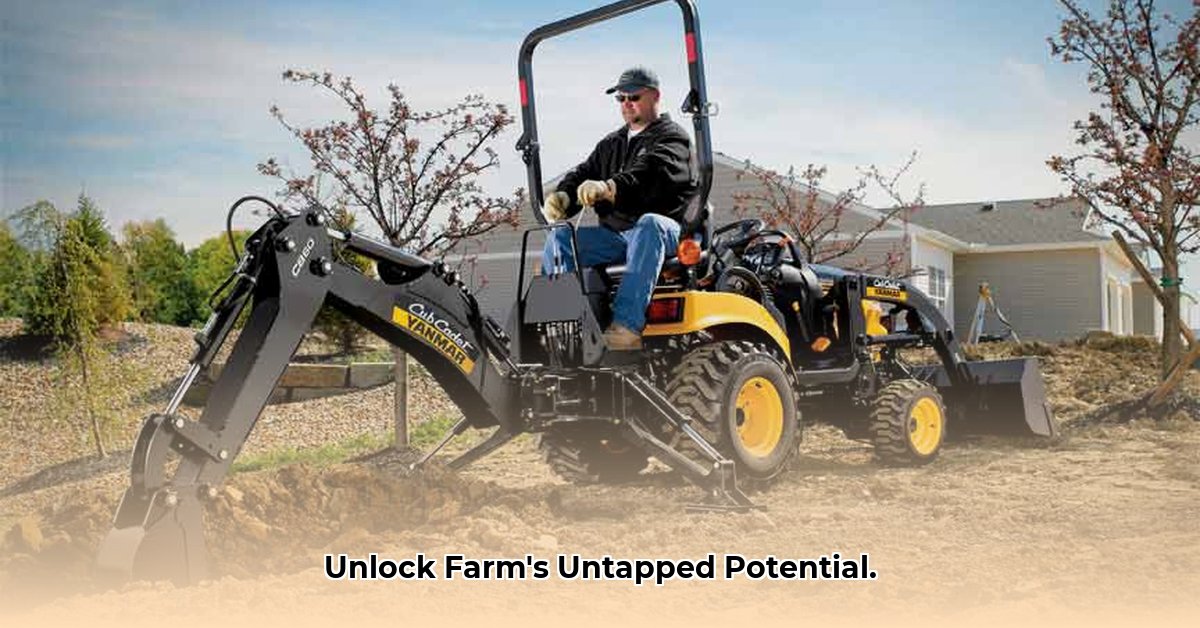
Caterpillar offers a range of compact tractors, each with unique features. Horsepower and lift capacity are crucial specifications to consider; carefully examine how each model aligns with your farm's specific needs. For example, a lower horsepower model might suffice for smaller farms, whereas a higher horsepower model is necessary for larger-scale operations and heavy-duty tasks. The availability of compatible attachments is another vital factor that expands your tractor's versatility. A front-end loader is ideal for moving materials, a backhoe for digging and trenching, and a tiller for soil preparation. Selecting appropriate attachments will directly impact your operational efficiency and cost-effectiveness. Remember to factor the cost of any attachments into your overall budget.
Financing Your Cat Compact Tractor: Exploring Available Options
Acquiring a new tractor is a significant investment; however, several financing solutions can make it more accessible. Leasing might be a viable short-term option offering flexibility for future upgrades, whereas buying allows for long-term ownership with the potential for resale value. Numerous government programs provide subsidies or low-interest loans for farmers investing in new agricultural equipment. Thorough research is crucial here; your local agricultural extension office can be an invaluable resource providing guidance on available financing options. Proper budgeting is paramount for financial prudence.
Maintaining Your Cat Compact Tractor: Optimization and Longevity
Regular maintenance is essential for ensuring optimal performance and prolonging the lifespan of your Cat compact tractor. Consider this preventative maintenance as safeguarding an invaluable asset, much like regular check-ups and maintenance for your own health. A systematic maintenance schedule encompassing regular oil changes, filter replacements, and routine inspections will greatly reduce the risk of costly repairs. Establish a detailed checklist, referencing your tractor's manual for recommended service intervals. Maintaining accurate records of all maintenance tasks and repairs is equally crucial for tracking the tractor's overall health and performance.
Cat Compact Tractors and Sustainable Farming Practices: Minimizing Environmental Impact
Modern farming practices prioritize sustainability, and Cat compact tractors contribute significantly to this goal. Their fuel efficiency directly translates to reduced environmental impact. Some models offer the capability of using alternative fuels, further minimizing your carbon footprint. The appropriate selection of attachments mitigates soil compaction, preserving soil health, reducing erosion, and improving water infiltration. Many Cat compact tractors integrate well with precision agriculture techniques, facilitating precise input application, minimizing waste, and reducing costs. These responsible practices contribute significantly to a more sustainable farming model. Moreover, using GPS-guided implements for seeding and fertilizing can optimize resource utilization.
"The improved efficiency from my Cat compact tractor has allowed me to increase milk production while reducing labor costs significantly," says Jane Doe, owner of Green Valley Dairy Farm. "It's truly transformed my operation for the better!"
Step-by-Step Guide: Selecting Your Ideal Cat Compact Tractor
- Assess Your Farming Operation: Evaluate your farm's size, the tasks your tractor will perform, and your budget constraints.
- Research Cat Compact Tractor Models: Compare models based on horsepower, lift capacity, and available attachments to find the best match for your needs.
- Explore Financing Options: Investigate and compare leasing versus buying, and research potential government subsidies or loans to optimize your financial strategy.
- Plan for Maintenance: Establish a comprehensive preventative maintenance schedule and allocate funds for regular maintenance and repairs.
- Select Your Attachments: Carefully choose attachments that align precisely with your farming requirements.
Remember, selecting the perfect tractor is a process that requires careful consideration. Thorough research is crucial before concluding your investment. Seek advice from experienced farmers and Caterpillar dealers to make an informed decision.
Comparing Environmental Impact: Key Considerations
Key Takeaways:
- Fuel Efficiency: Prioritize fuel-efficient models, considering alternatives like biodiesel or biomethane, as well as the potential of future electric tractors.
- Emission Control: Look for tractors with advanced emission control systems (SCR, DPF) but factor in their long-term maintenance costs.
- Precision Agriculture: Evaluate the potential benefits of precision agriculture technologies for reducing resource waste and environmental impact, weighing the initial investment against long-term returns.
Fuel Efficiency: A Critical Sustainability Metric
Fuel efficiency is paramount for both environmental and financial reasons. Examine fuel consumption rates (gallons per hour) to compare different models. Consider sustainable alternatives like biodiesel. The rising adoption of electric tractors offers an interesting long-term prospect for fuel efficiency, although charging infrastructure and battery technology still present some hurdles.
Emission Control: Minimizing Harmful Emissions
Advanced emission control technologies such as Selective Catalytic Reduction (SCR) and Diesel Particulate Filters (DPF) significantly reduce harmful emissions. Assess the efficiency ratings of these systems, however, remember that their long-term maintenance is crucial. Regular maintenance is key to maximizing their emission reduction capabilities.
Precision Agriculture: Optimizing Resource Use and Minimizing Waste
Precision agriculture using GPS guidance, sensors, and data analytics optimizes resource utilization. This technology leads to precise input application (fertilizers, pesticides), reducing waste and environmental damage. While this approach demands an upfront investment in technology and training, the long-term returns in terms of reduced environmental impact and increased yields are significant.
A Step-by-Step Guide to Comparing Tractors for Environmental Impact
- Define Your Needs: Determine the required tractor size, horsepower, and essential attachments (e.g., tillers, loaders).
- Research Models: Explore various manufacturers and models that meet your needs.
- Gather Environmental Data: Obtain fuel consumption and emission data directly from manufacturers or consult independent reviews.
- Compare Specifications: Conduct a detailed side-by-side comparison of fuel efficiency, emission data, and other relevant specifications.
- Calculate Operational Costs: Factor in fuel costs, maintenance expenses, and any potential government incentives related to sustainability.
- Consider Long-Term Costs and Benefits: Evaluate the life-cycle cost of each tractor, incorporating fuel efficiency, maintenance requirements, and potential resale value. A thorough cost-benefit analysis is essential to your decision-making process.